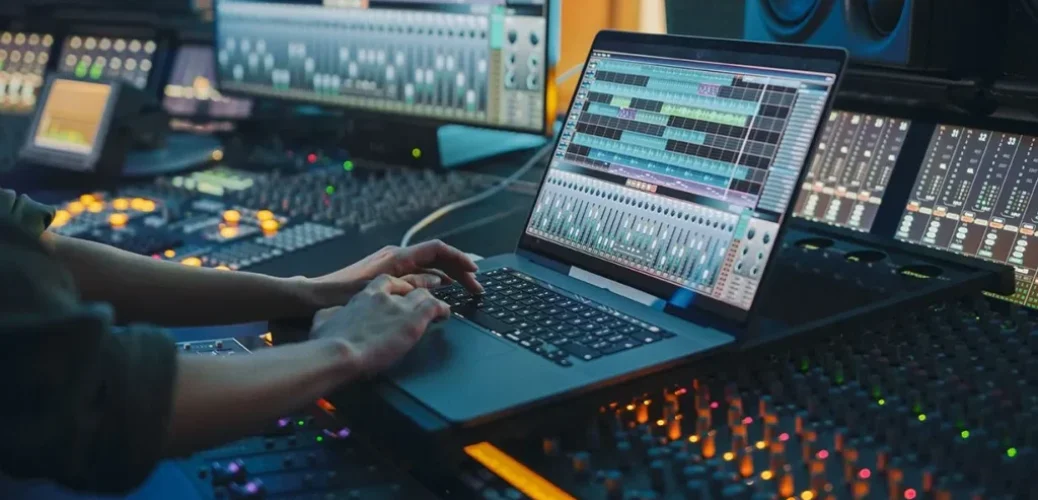
Choosing the Right Music Producer for Your Debut Album

Choosing the right music producer for your band’s debut album can shape the sound, quality, and success of your music career. For many bands, this first album is not just a collection of songs—it’s a statement to the world. It’s your first chance to show what you’re about.
This means the producer you pick must be more than just a technical expert; they need to be a creative partner, a guide, and someone who believes in your vision.
But how do you find the right music producer for your band’s debut? There are so many choices, from local talents to big-name professionals. Each producer has their own style, process, and network. Picking the wrong person can lead to wasted time, money, and energy.
Even worse, it can leave you with a debut album that doesn’t reflect your true sound.
This guide will walk you through every step, from understanding what a music producer really does to making that final decision. Along the way, you’ll find practical advice, real examples, and insights that many beginners miss. Whether you’re just starting your search or narrowing down your options, this article will give you the confidence and knowledge to make the right choice.
What Does A Music Producer Really Do?
Many bands think a music producer is just someone who pushes buttons in the studio. In reality, their role is much bigger and deeper. The music producer shapes the overall sound of the album, manages recording sessions, helps arrange songs, and even coaches band members on performance. They are often the bridge between the creative vision and the technical side of making music.
A good producer will:
Guide your music from raw ideas to finished tracks
Suggest changes to arrangements or lyrics for better impact
Oversee the recording process and make sure everything stays on schedule
Help mix and master the songs for a professional sound
Some producers are very hands-on, almost like a band member. Others are more technical, focusing on the quality of the recording. It’s important to know what kind of producer your band needs for your debut album.
Types Of Music Producers
Not all music producers work the same way. Understanding the main types can help you decide who fits your project best.
Type of Producer | Main Focus | Best For |
|---|---|---|
Creative Producer | Songwriting, arrangement, artistic vision | Bands needing direction and creative input |
Technical Producer | Recording quality, mixing, mastering | Bands with a clear vision needing technical help |
Executive Producer | Budget, scheduling, project management | Larger projects with many moving parts |
Beatmaker/Track Producer | Creating beats, digital production, samples | Genres like hip hop, pop, electronic |
For your debut album, most bands look for someone who blends creative and technical skills. But if you know your band needs help in a certain area, look for a producer who specialises in that.
Setting Your Band’s Goals And Vision
Before you start searching for a producer, get clear about what your band wants to achieve. This step is often skipped, but it’s one of the most important.
Ask yourselves:
What is the sound you want for your debut album? (raw, polished, vintage, modern)
Who is your target audience?
Do you want your music to be radio-friendly or more experimental?
How involved do you want the producer to be?
Make a simple document or mood board with reference tracks, artists you admire, and any notes about your vision. This will help you communicate with potential producers and judge if they are a good fit.
How To Find Music Producers
Once you know what you want, it’s time to look for producers. There are several ways to do this, and sometimes you’ll need to use more than one method.
Ask other bands in your local scene for recommendations.
Search online—websites like SoundBetter, LinkedIn, and music forums list many producers.
Check album credits of bands you like. Many producers have their contact info on music databases or their own websites.
Attend local shows or recording studio open houses to meet producers in person.
Use social media to find producers who share work samples.
Always listen to their previous work. Pay attention to the sound quality and the vibe. Does it match what your band wants?
Evaluating Producer Experience
Experience is more than just years on the job. Look for these key points:
Genre familiarity: Has the producer worked with your style of music before?
Track record: Do they have albums or singles that have done well?
References: Can they provide contacts from past bands?
Studio access: Do they have their own studio or work with good ones?
A great producer for a metal album might not fit a folk band. Always check if their past work lines up with your goals.
Listening For Producer’s “signature Sound”
Many producers have a signature sound—a set of qualities that show up in their projects. For example, Rick Rubin is known for raw, stripped-down production. Max Martin is famous for catchy, polished pop hits. Listen to several albums they’ve worked on and notice:
Do the tracks feel unique, or do they all sound similar?
How do the drums, vocals, and instruments sit in the mix?
Is the production style something you want for your own music?
Ask yourself if you want a producer who will push you in a new direction or one who will help you perfect your existing sound.
Meeting And Communicating With Producers
Before hiring anyone, set up a meeting—either in person or online. This first conversation is your chance to see if you can work together. Prepare to talk about:
Your vision and goals
The sound you want
How they like to work (schedule, process, feedback)
Budget and deadlines
Some producers ask for a demo track or live recording to see if they’re interested. Be honest about your expectations. Good communication now will prevent problems later.
Questions To Ask A Potential Producer
To avoid surprises, ask these key questions:
What is your process from pre-production to final mix?
How involved are you in arrangements and songwriting?
How do you handle feedback and creative disagreements?
What are your rates and what do they include?
Can you share references from other bands you’ve worked with?
Their answers will reveal if they are organised and professional.
Understanding Costs And Contracts
Music production is an investment. Costs can range from a few hundred to tens of thousands of dollars. Most producers offer different payment structures:
Flat fee: One price for the whole album or per song
Hourly rate: Charged for studio time and producer’s hours
Royalties: Some take a share of future earnings instead of (or in addition to) upfront payment
Always get the terms in writing. A contract should cover:
Payment schedule
Project timeline
Who owns the masters and recordings
What happens if someone cancels
If you’re unsure, ask a music lawyer or someone with experience to review the contract.
Importance Of Producer’s Network
A top producer doesn’t just make your music sound better—they can open doors. Many have connections with mix engineers, mastering experts, session musicians, and even record labels. A producer with a strong network can help your album reach more people.
But don’t choose based only on connections. The music must come first. Still, it’s a bonus if your producer can introduce you to the right people in the industry.

Studio Environment And Resources
The studio where you record is almost as important as the producer. Some producers have their own studios, while others rent space. Consider:
Location: Is it easy for your band to get there?
Gear: Does the studio have the instruments and equipment you need?
Atmosphere: Is it comfortable and inspiring?
A great producer in a bad studio can still do good work, but it’s harder. Visit the space if possible before making a final decision.
Test Sessions And Trial Projects
If you’re not sure about a producer, ask for a test session. Many producers will do a single song or short project before committing to a full album. This lets both sides see if they work well together.
Don’t expect a free session, but a small investment can save you from bigger problems later. After the session, ask your band:
Did we feel supported and understood?
Did the producer add value to our music?
Would we want to spend weeks working with this person?
If the answer is yes, you’re on the right track.
Checking References And Past Work
It’s easy to get excited by a producer’s pitch. Always check their references and listen to complete albums they’ve made—not just singles or demos. Ask past clients:
Were they reliable and professional?
Did the project finish on time and on budget?
How did they handle disagreements?
A good producer will have happy clients and be willing to share references.
Producer’s Role In Mixing And Mastering
Not all producers handle mixing and mastering. Some focus only on recording and arranging, then hand the project to a mix engineer. Others guide the whole process to the final master. Make sure you know:
Who will mix and master your album?
Is it included in the producer’s fee?
Do you get input on the final sound?
Mixing and mastering can make a huge difference in quality. Don’t assume it’s part of the deal—always ask.
Cultural Fit And Band Chemistry
Music is emotional. You’ll spend long hours with your producer. It’s important you get along and share a similar vision. Watch for:
Respect for your ideas and input
Ability to push you creatively without being controlling
Clear communication (no ego battles)
Some bands clash with producers who are too forceful or not involved enough. The best partnerships feel like a team effort.
Common Mistakes Bands Make When Choosing A Producer
Choosing based only on price. The cheapest option often leads to poor results.
Ignoring personality fit. A great producer on paper can still be a bad match if you don’t get along.
Not checking past work. Demos are not the same as finished albums.
Skipping the contract. Always get agreements in writing.
Forgetting about mixing/mastering. Make sure you know who is responsible.
Rushing the decision. Take your time—this choice shapes your career.

Non-obvious Insights For First-time Bands
Many beginners focus only on technical skills. Here are two insights often missed:
A producer’s workflow style matters as much as their musical taste. Some producers push for fast sessions, while others spend weeks perfecting every detail. Match their style to your band’s energy level and patience.
Producer’s feedback style can make or break your creativity. Some offer gentle suggestions; others are blunt. Decide what motivates your band—gentle coaching or tough love.
Another point: don’t underestimate the value of pre-production. The best producers help you rehearse and refine songs before you ever hit “record.” This saves money and improves the final result.
Making The Final Choice
After all your research, meetings, and test sessions, trust your gut—but double-check the facts. Review:
Does the producer’s past work inspire you?
Is their process clear and professional?
Can you afford their rates, and is everything in writing?
Does your band feel excited to work with them?
Remember, your debut album is your musical handshake with the world. The right producer will help you make a strong, lasting impression.
Frequently Asked Questions
What Is The Difference Between A Producer And A Sound Engineer?
A producer shapes the creative direction, helps with arrangements, and manages the recording process. A sound engineer focuses on technical tasks like setting up microphones and recording equipment. Some producers do both jobs, but many projects involve a separate engineer.
How Much Should A Band Expect To Pay A Music Producer For A Debut Album?
Costs vary widely. For a local or indie producer, expect $1,000 to $5,000 for a full album. Well-known producers charge much more—sometimes $10,000 or more. Always ask for a detailed quote and see what’s included.
Can We Work With A Producer Remotely?
Yes, many producers now offer remote collaboration. You can send tracks online, hold meetings over video, and even do some recording at home. However, in-person sessions are still valuable for chemistry and detailed work.
Should The Producer Own Part Of Our Music?
Not always. Some producers ask for royalties as part of their payment. This means they get a share of future earnings. Many bands prefer to pay a higher upfront fee to keep all rights. Always discuss ownership before signing a contract.
Where Can We Learn More About Famous Music Producers And Their Styles?
You can obviously find detailed profiles and interviews with well-known producers online. Listening to albums and reading liner notes can also give you insights into different producer styles.
Your debut album is a big milestone, and the right music producer can make all the difference. Take your time, do your homework, and choose someone who believes in your music as much as you do. With the right partnership, your band’s sound can reach its full potential—and maybe even inspire the next generation of artists.